OCP Jorf Lasfar Fertiliser Complex
The world's largest phosphate fertiliser processing hub — anchoring Morocco's global leadership.
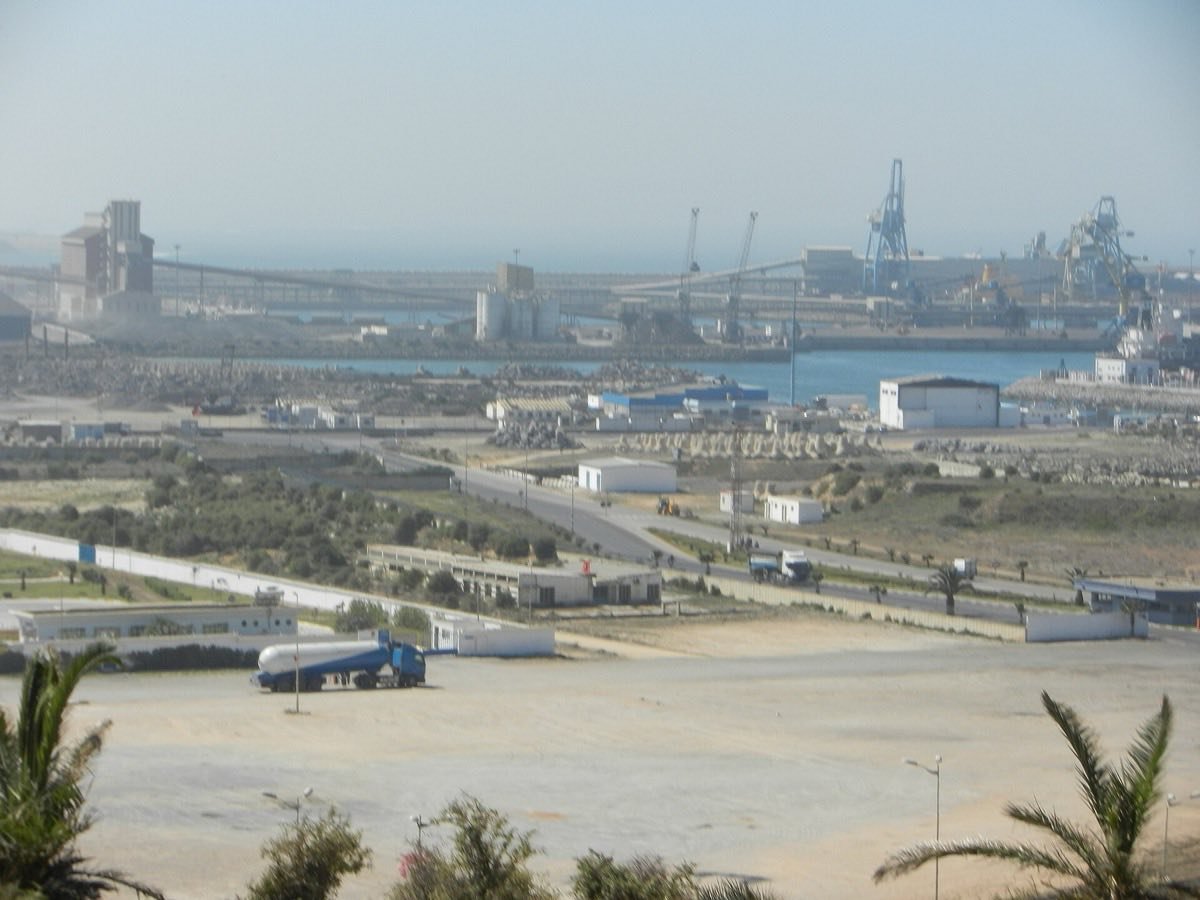
The OCP Jorf Lasfar complex is the world's largest integrated phosphate fertiliser production platform, located on the Atlantic coast near El Jadida, Morocco. Operated by OCP Group (Office Chérifien des Phosphates), the site produces phosphoric acid, diammonium phosphate (DAP), triple superphosphate (TSP), and NPK compound fertilisers. Morocco holds approximately 70% of the world's proven phosphate reserves, and OCP is the world's largest phosphate exporter. The Jorf Lasfar complex, combined with the OCP Group's mining operations at Khouribga, forms the backbone of Morocco's phosphate value chain, generating billions in export revenue annually.
- 01Produce over 10 million tonnes per year of phosphate fertiliser products for global export markets
- 02Maximise value addition from Morocco's phosphate rock reserves through downstream chemical processing
- 03Supply affordable fertiliser to African farmers through the OCP Africa subsidiary initiative
- 04Achieve environmental leadership in phosphate processing through desalination, solar power, and waste recovery
- 05Maintain Morocco's position as the world's largest phosphate fertiliser exporter
- 06Develop innovative customised fertiliser blends tailored to specific soil conditions across Africa
1986 · completed
Jorf Lasfar Complex Inaugurated
The first phosphoric acid and fertiliser production units at Jorf Lasfar commence operations, establishing a new centre of gravity for Morocco's phosphate processing industry.
2008 · completed
OCP Corporatisation and Investment Programme
OCP transforms from a state enterprise into a limited company (S.A.) and launches a massive $20 billion investment programme to expand processing capacity and modernise operations.
2014 · completed
Slurry Pipeline Operational
The 235 km phosphate slurry pipeline from Khouribga to Jorf Lasfar becomes fully operational, replacing truck and rail transport and reducing costs and emissions by an estimated 90%.
2016 · completed
OCP Africa Subsidiary Launch
OCP establishes OCP Africa to promote tailored fertiliser solutions for sub-Saharan African markets, including soil mapping and customised NPK blends for specific crops and regions.
2022 · completed
Green Energy and Desalination Expansion
OCP commissions new solar installations and desalination capacity at Jorf Lasfar as part of its sustainability strategy to halve carbon emissions and achieve water self-sufficiency.
2025 · in progress
Capacity Expansion to 2030 Targets
Ongoing expansion programmes targeting 20 million tonnes of total fertiliser capacity by 2030 across all OCP processing sites, with Jorf Lasfar as the primary hub.
Raw Material
Phosphate Rock
Sourced from OCP's mines at Khouribga, 235 km inland, transported as slurry via dedicated pipeline. Morocco holds approximately 70% of global phosphate reserves.
Chemical Processing
Sulfuric Acid Plants
Multiple sulfuric acid lines producing acid for phosphoric acid wet-process digestion. Waste heat is recovered for steam and electricity generation.
Infrastructure
Port Facilities
Dedicated port at Jorf Lasfar with bulk loading terminals for fertiliser export. Handles tens of millions of tonnes of product annually.
Utility
Desalination Plant
Seawater desalination provides industrial process water, reducing OCP's freshwater consumption and ensuring operational resilience.
Energy
Solar Energy
Growing solar photovoltaic capacity as part of OCP's target to source majority of energy from renewable sources by 2030.
- Wet-process phosphoric acid production using sulfuric acid digestion of phosphate rock
- Granulation plants for producing DAP, MAP, TSP, and customised NPK fertiliser blends
- Sulfuric acid production plants with waste-heat recovery for steam and power generation
- Slurry pipeline system transporting phosphate rock 235 km from Khouribga mines to Jorf Lasfar
- Seawater desalination plants providing process water, reducing freshwater consumption
- Solar energy installations as part of OCP's green energy transition programme
What it means for the community
OCP Group is the world's largest phosphate fertiliser exporter, with the Jorf Lasfar complex serving as its primary processing hub. The group contributes approximately 5% of Morocco's GDP and is the country's largest employer with over 20,000 direct employees. Through OCP Africa, the company has provided soil-specific fertiliser solutions to over 3 million smallholder farmers across sub-Saharan Africa, directly improving crop yields and food security. The slurry pipeline alone saves over 3 million tonnes of CO2 emissions annually compared to truck transport.
- OCP Group S.A. — 95% owned by the Kingdom of Morocco